
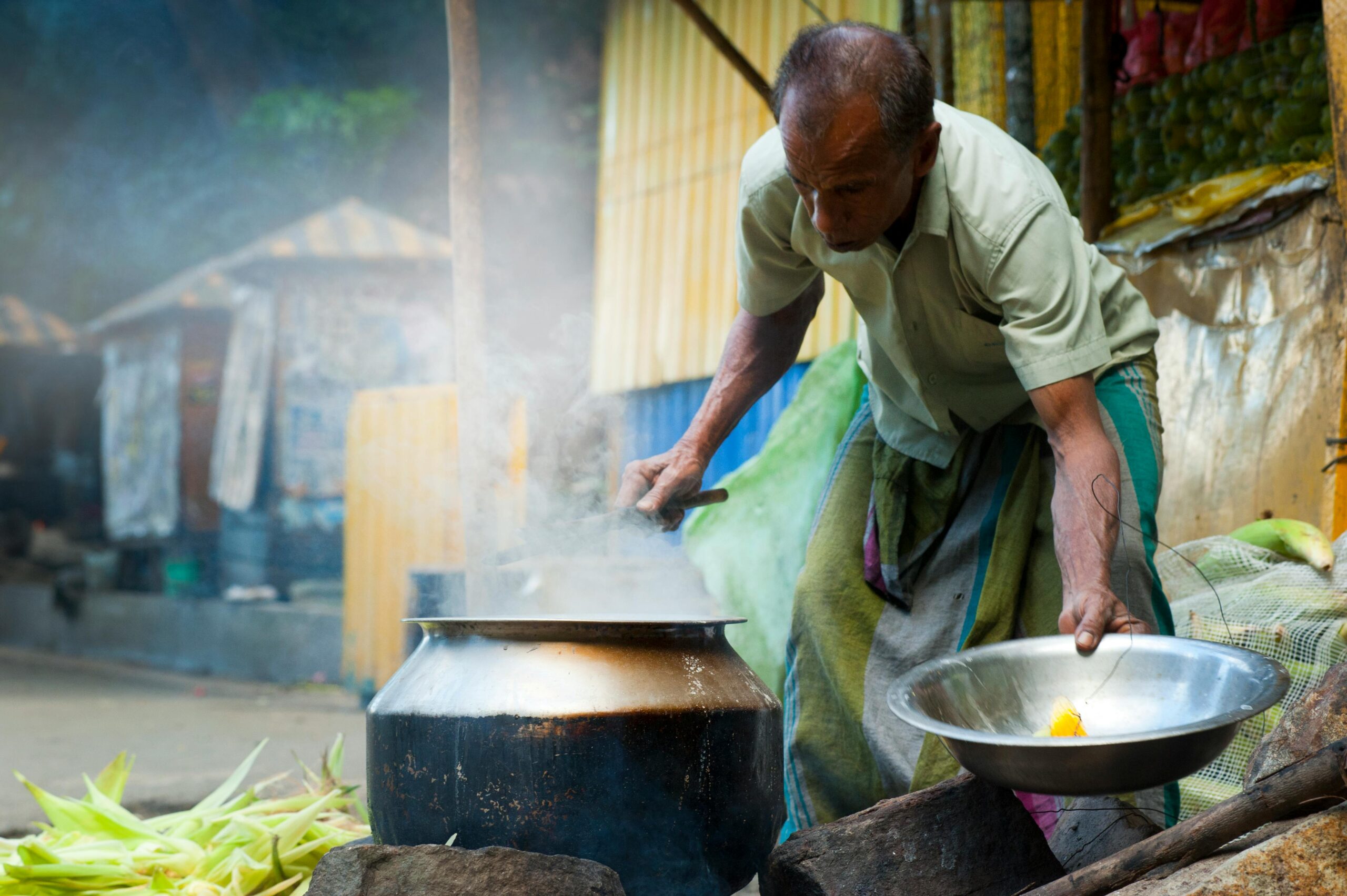
About 41% of Indians still utilise wood, cow dung, or other biomass as their primary cooking fuel, contributing to indoor air pollution
New Delhi (THP) Despite advancements, a significant global population, approximately 2.6 million, relies on traditional open fires, kerosene-fueled stoves, and biomass or coal-burning choolaahs for daily cooking, contributing to a staggering 4 million premature deaths annually, as reported by the 2023 World Health Organization data. Alarming statistics from India’s Transition to E-cooking by the independent think tank Centre for Science and Environment reveal that 41% of Indians still utilise wood, cow dung, or other biomass as their primary cooking fuel.
Discussing the severe implications of indoor air pollution, a major driver of Chronic Obstructive Pulmonary Disease (COPD), Dr. Vivek Nangia, Principal Director & Head of the Institute of Respiratory Critical Care & Sleep Medicine at Max Hospital, Saket, New Delhi, underscores the enduring health risks associated with traditional cooking methods.
Dr. Nangia emphasises the misconception that persists around the use of choolahs and angithis, noting that despite being considered fashionable by even some upper class families, these methods generate harmful smoke within homes and need to be phased out.
While outdoor air pollution is a known concern, Dr. Sandeep Katiyar, Pulmonologist at Apollo Spectra, Kanpur, stresses the often-overlooked severity of indoor air pollution caused by angithis and choolahs. Dr. Katiyar elucidates the mechanisms of lung damage, pointing out the deposition of black particles on choolahs, drawing a parallel to the impact on lungs. Particularly concerning for female family members, who are most affected while cooking, this indoor pollution leads to adverse respiratory outcomes.
Dr. Katiyar highlights the critical importance of monitoring indoor air quality, noting its cumulative and potentially more disastrous impact compared to outdoor air pollution. He sees promise in the government’s initiative to provide cleaner fuel to households, foreseeing a significant reduction in the COPD disease burden with effective implementation.
(Source: The Health Presso)

