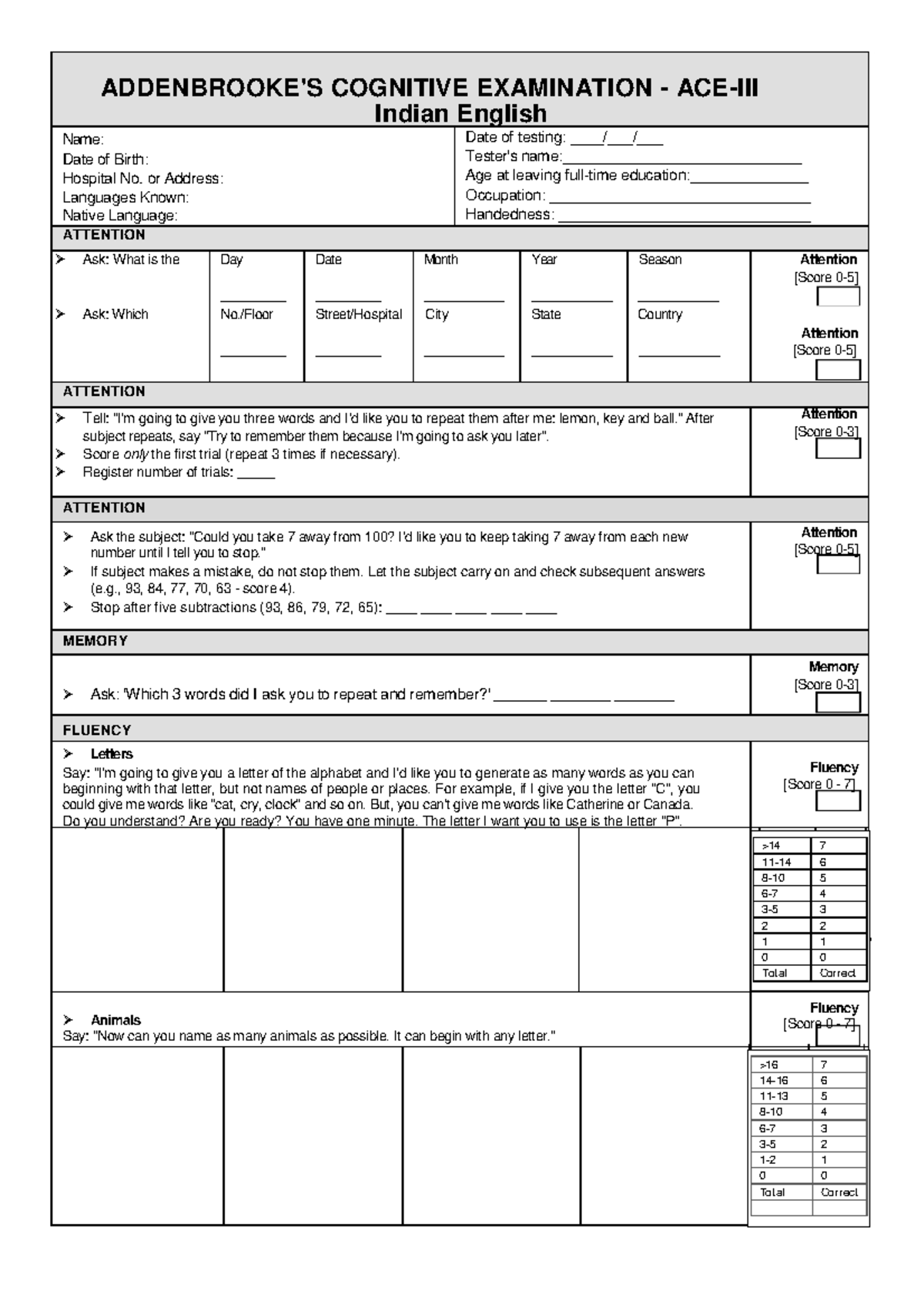
World Alzheimer’s Day theme this year highlights proactive and early actions to identify and mitigate the impact of dementia and Alzheimer’s.
Dementia, a broad term that encompasses various cognitive impairments, profoundly impacts individuals, families, and communities. Among its many forms, Alzheimer’s disease is the most common, accounting for approximately 60-80% of dementia cases. As the global population ages, the urgency to address dementia and Alzheimer’s has never been greater.
The World Health Organization estimates that around 55 million people worldwide are living with dementia, a number projected to rise to 78 million by 2030. This escalating prevalence emphasizes the need for immediate action—whether through increased funding for research, improved healthcare strategies, or public awareness campaigns. Recognizing dementia’s early signs, such as memory loss, confusion, and changes in mood, is vital for timely intervention and care.
Research into Alzheimer’s and dementia has made significant strides in recent years. Advances in understanding the disease’s biological mechanisms, particularly the role of amyloid-beta and tau proteins, have led to promising therapeutic developments. Drugs like lecanemab and aducanumab have shown potential in slowing disease progression, marking a shift from purely symptomatic treatments to approaches targeting the underlying causes. However, access to these treatments remains limited, highlighting the need for policies that ensure equitable healthcare.
In addition to medical advancements, societal attitudes toward dementia must evolve. Stigma and misconceptions often lead to isolation for those affected. Public awareness campaigns are essential to educate communities about the realities of living with Alzheimer’s. Initiatives that foster understanding can create supportive environments, enhancing the quality of life for both patients and caregivers.
Caregiver support is another critical aspect of addressing dementia. Many caregivers experience significant emotional and physical strain, often leading to burnout. Providing resources, training, and respite care options can alleviate this burden, enabling caregivers to continue offering compassionate support to their loved ones.
Finally, governments and organizations must prioritize dementia in their health agendas. Comprehensive policies that focus on prevention, early diagnosis, and holistic care can make a meaningful difference. Funding for research, community programs, and caregiver support should be robustly increased to match the growing need.
In conclusion, the call to action on dementia and Alzheimer’s is urgent and necessary. By fostering research, enhancing public awareness, supporting caregivers, and prioritizing comprehensive policies, we can work towards a future where individuals living with dementia receive the care and support they deserve. The time to act is now—let’s make a difference in the lives of millions.