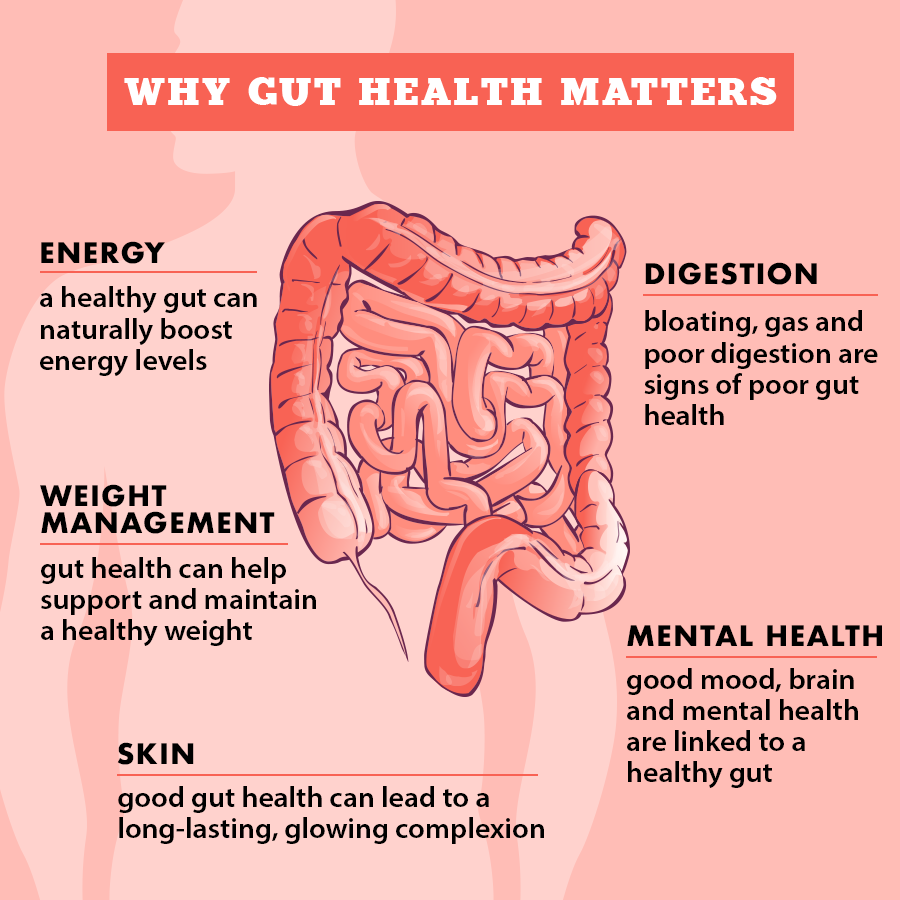
The gut is another name for the gastrointestinal (GI) tract, which is a group of organs that includes the stomach, intestines, mouth, esophagus, rectum, and colon. The gut’s main function is to digest food, absorb nutrients, and excrete waste. Gut is often referred to as the “second brain” of the body, and it plays a crucial role in maintaining overall health and well-being. To no surprise, “gut health” has gained significant attention among health-conscious people in these recent years.
According to National Library of Medicine, Gut is the largest immune system organ, containing around 70-80% of the body’s immune cells. Also, gut health is linked to various diseases; including inflammatory bowel disease, irritable bowel syndrome, and even mental health disorders. This clearly highlights the importance of maintaining a healthy gut for a strong immune system. A person with a strong and healthy gut has more chances of longevity than compared to someone with an unhealthy gut.
The role of good bacteria vs. bad bacteria:
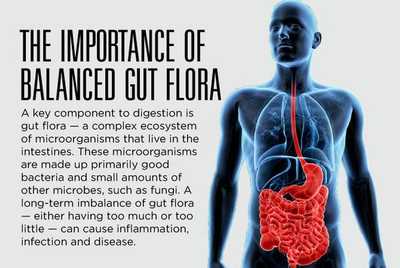
Gut is also home to trillions of microorganisms, including bacteria, viruses, and fungi, collectively known as the gut microbiome. These microorganisms play a vital role in digestion, nutrient absorption, and immune system function.
In this context, Ms Charu Dua, Head, Clinical Nutrition, Amrita Hospital Faridabad says, “A healthy gut microbiome is characterized by a balance between good and bad bacteria. Probiotics, or good bacteria, aid in digestion, support the immune system, and help produce essential nutrients. On the other hand, bad bacteria, or pathogens, can lead to health issues and increase the risk of heart disease and obesity-related conditions.”
Why maintaining a strong gut is important?
Gut plays the major role in proper digestion and nutrient absorption. The good bacteria in it assist in breaking down food, enabling the absorption of essential nutrients and vitamins, such as B vitamins and vitamin K. A balanced gut microbiome helps regulate the immune system, enhancing the body’s ability to fend off infections and diseases. Good bacteria help to maintain a healthy barrier in the gut lining, which can prevent harmful pathogens from entering the bloodstream.
Dysbiosis, or an imbalance in gut bacteria, is associated with several chronic conditions, including inflammatory bowel diseases, obesity, diabetes, and even mental health issues like depression and anxiety. Maintaining a healthy gut microbiome can mitigate these risks. In addition, gut bacteria are involved in metabolic processes, including the fermentation of dietary fibers, which produces short-chain fatty acids that are beneficial for colon health and may reduce the risk of colorectal cancer.
How do good bacteria and bad bacteria function in the gut?
Two of the most common beneficial bacteria found in the human gut are Lactobacillus and Bifidobacterium. They help with digestion, produce vitamins, and inhibit the growth of harmful bacteria. Probiotics, which are live beneficial bacteria, can be found in fermented foods like yogurt, sauerkraut, and kimchi.
“These good bacteria maintain a balanced gut environment, support immune function, and contribute to overall digestive health. They help to prevent the overgrowth of pathogenic bacteria, thus maintaining gut equilibrium,” points out Ms Dua.
On the other hand, Pathogenic bacteria including E. coli and Salmonella cause diseases such as gastrointestinal infections. An overgrowth of these harmful bacteria can result from factors like poor diet, antibiotic use, and stress, leading to dysbiosis. When bad bacteria dominate, it can lead to various gastrointestinal disorders, such as Crohn’s disease, ulcerative colitis, and irritable bowel syndrome (IBS). This imbalance can also affect mental health and increase susceptibility to infections.
How to boost your gut health?
Recently, Indian Council of Medical Research (ICMR) outlined the fact that around 56.4 percent of diseases in India are caused due to unhealthy dietary habits and inactivity.3 Thus, to maintain a healthy gut, it is a must to follow a healthy dietary and physical activity routine.
To strengthen gut health and support the immune system, it is essential to include probiotics in the diet. Probiotics can be found in fermented foods such as yogurt, kefir, and sauerkraut, as well as in supplements. Additionally, a diet rich in fiber, fruits, and vegetables can help promote a healthy gut microbiome.
“A healthy gut can improve digestion, reduce bloating, and prevent constipation. Furthermore, a balanced gut microbiome can help prevent the overgrowth of harmful bacteria, which can lead to infections and other health issues,” says Ms Dua.
In all, understanding the dynamics between good and bad bacteria can help in developing strategies for preventing and treating various health issues linked to gut health. By maintaining a healthy gut microbiome, individuals can boost their immune system, improve digestion, and reduce the risk of various diseases.
Ms Charu Dua