Food is not just a source of energy for our bodies, but it also plays a crucial role in influencing our moods. Making informed food choices that include mood-boosting nutrients can significantly enhance mental health and interpersonal relationships too.
Making food choices that elevate our moods and enhance the quality of our relationships involves understanding the connection between nutrition and mental health. A new study that was published in Nature reveals the profound link between dietary choices and mental well-being. It states that “a healthy and balanced diet is directly proportional to superior brain health and cognitive function”.
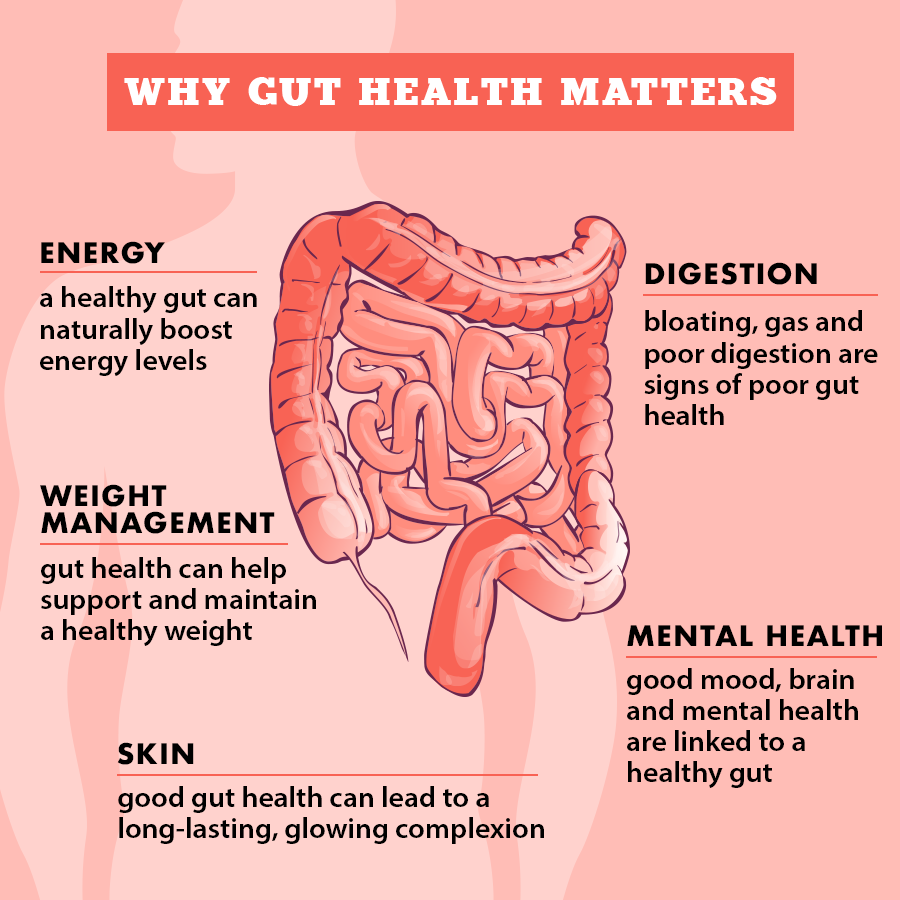
The gut or gastrointestinal tract in human body is home to billions of bacteria that directly affect its health and production of neurotransmitters as well. These chemical messengers carry messages from the gut to the brain, impacting our mood states. By making smart food choices, we can promote good bacteria in our guts and evoke desirable mood-states.
According to the World Health Organization, a balanced diet is essential for good health and well-being. A diet rich in fruits, vegetables, whole grains, and lean proteins can provide the necessary nutrients for optimal gut health.
In the context of food choices and its connection to the mental well-being, Ms Kanikka Malhotra, noted Clinical Dietician says, “By making mindful, intentional food choices, you can not only boost your mood but also cultivate positive energy, patience, and emotional stability, all of which enhance the quality of your relationships.”
Mood-Boosting Foods – We are what we eat
The phrase “we are what we eat” highlights the profound impact that our food choices have on not only our physical health but also our mental well-being and social interactions. Since the foods we consume influence our mood, cognitive function, and energy levels, the quality of our relationships has more probability of levelling up.
When it comes to mood-boosting, nutrient-rich foods can have a positive impact on our mental health, points out Ms Malhotra. For example, foods rich in Omega-3 fatty acids, such as salmon and walnuts, have been linked to a lower risk of depression. Additionally, foods high in antioxidants, such as berries and dark chocolate, can help reduce inflammation and improve mood.
Whole grains, oats, and legumes help to maintain stable blood sugar levels, which can prevent mood swings. They also aid in the absorption of tryptophan, an amino acid that contributes to serotonin production. Foods like yogurt, kefir, and kimchi promote gut health, which is increasingly recognized as vital for mental health. A healthy gut microbiome can enhance serotonin levels and improve mood.
Nutrients such as Vitamin D (found in eggs and fortified foods), Vitamin B (found in whole grains and legumes), and Magnesium (found in nuts and seeds) play essential roles in brain health and mood stabilization.
Impact of healthy diets on relationships:
Eating a balanced diet not only improves individual mood but can also enhance relationships. Shared meals and cooking together can strengthen bonds, while a positive mood can lead to more effective communication and emotional connection. Engaging in healthy eating habits can foster a supportive environment that encourages both partners to prioritize their well-being.
In the workplace, it’s important to make smart food choices to keep our moods even and balanced. Consuming foods that promote good bacteria in our guts, such as yogurt and fermented foods can help to maintain a positive mood throughout the day. On the other hand, foods high in sugar and caffeine can lead to mood swings and energy crashes.
When it comes to social gatherings, the type of food we serve and consume can also impact our mood. Serving mild or sweet fare can create a relaxed and enjoyable atmosphere, while spicy food can be a good choice for a confrontational meeting where we want to stay alert and assertive.
In all, making smart food choices are not only important for our physical health, but also for our mental well-being. By incorporating mood-boosting foods into our diet and being mindful of the physiological reactions that different foods trigger, we can fuel our bodies and improve our moods.