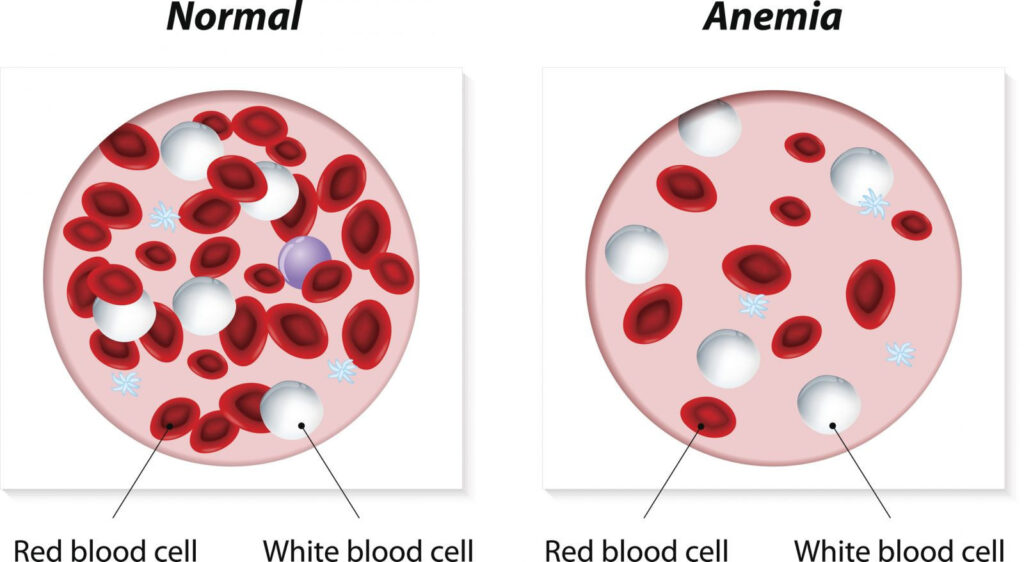
Anaemia is a health condition characterized by deficiency of red blood cells or haemoglobin which can lead to several health complications. In India, prevalence of anaemia is found mainly amongst young children, adolescent girls, pregnant, postpartum women and women in the reproductive age. Indian has one of the highest prevalence of anaemia in the world. As per the National Family Health Survey 5 (2019-21), is 25.0% in men (15-49 years) and 57.0% in women (15-49 years). 31.1% in adolescent boys (15-19 yrs), 59.1% in adolescent girls,52.2% in pregnant women (15-49 years) and 67.1% in children (6-59 months).
Various factors contribute to the prevalence of anaemia in India.
1. Dietary Deficiencies:
- Iron Deficiency: India’s dietary habits often include foods that are low in iron, such as rice and roti. This leads to inadequate iron intake, a primary cause of anaemia.
- Folic Acid Deficiency: Folic acid is crucial for red blood cell production. A lack of folic acid in the diet can contribute to anaemia, especially in pregnant women.
- Vitamin B12 Deficiency: Vitamin B12 is essential for the absorption of iron. A deficiency of this vitamin can exacerbate anaemia.
2. Malnutrition:
- Under-nutrition: Many Indians, particularly in rural areas, suffer from under-nutrition due to poverty and limited access to nutritious food. This can impair the body’s ability to produce red blood cells.
- Protein Deficiency: Proteins are essential for the synthesis of haemoglobin. A lack of protein in the diet can contribute to anaemia.
3. Infections:
- Parasitic Infections: Infections such as malaria, hookworm, and roundworm can cause blood loss, leading to anaemia.
- Chronic Infections: Long-term infections can interfere with iron absorption and red blood cell production.
4. Pregnancy and Childbirth:
- Increased Iron Demand: Pregnant women require more iron to support the growth of their foetus and placenta. If this increased demand is not met, anaemia can develop.
- Blood Loss During Childbirth: Blood loss during childbirth can contribute to anaemia, especially if it is excessive.
5. Socio-Economic Factors:
- Poverty: Poverty limits access to nutritious food, healthcare, and clean water, all of which contribute to anaemia.
- Lack of Awareness: Many people in India are unaware of the causes and consequences of anaemia, leading to delayed diagnosis and treatment.
Symptoms:
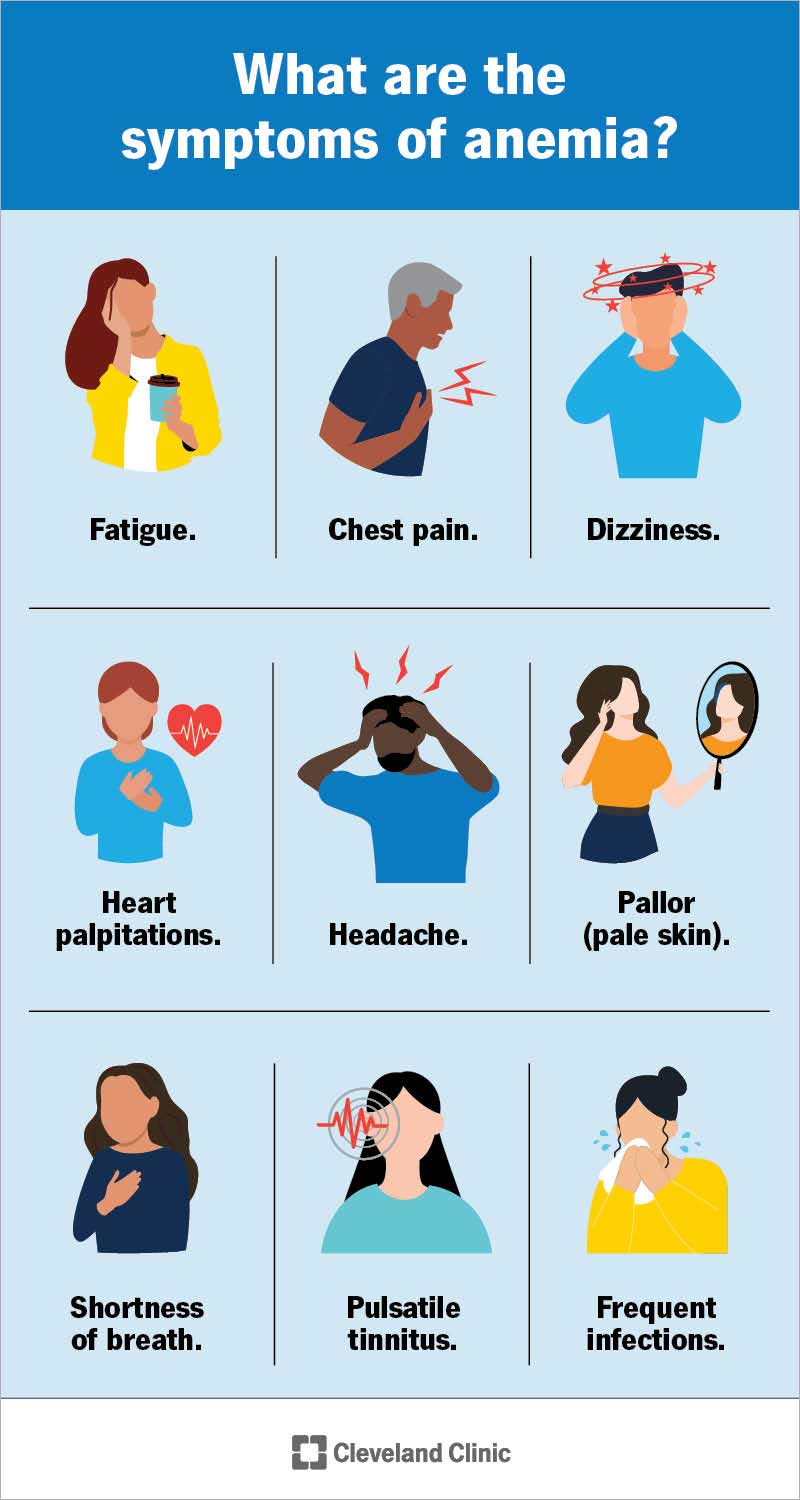
Possible symptoms of anaemia include:
- Tiredness
- Weakness
- Shortness of breath
- Pale or yellowish skin, which might be more obvious on white skin than on Black or brown skin
- Irregular heartbeat
- Dizziness or light-headedness
- Chest pain
- Cold hands and feet
- Headaches
Long term impact of anaemia:
Anaemia can have serious long-term health effects, including:
- Organ failure: If left untreated, anaemia can lead to multi-organ failure, including heart failure, arrhythmias, and renal failure.
- Pregnancy complications: Pregnant women with untreated anaemia are at higher risk of complications before and after birth, such as premature birth and low birth weight.
- Developmental delays: Children with untreated iron deficiency anaemia may experience developmental delays.
- Brain and behavioural issues: Early iron deficiency can lead to long-term behavioural abnormalities, including motor, cognitive, and socio-emotional deficits.
- Increased risk of infection: Anaemia can make you more susceptible to illness and infection because it affects your immune system.
- Heart conditions: Anaemia can increase your risk of developing heart conditions, such as an abnormally fast heartbeat (tachycardia).
- Depression: Anaemia can cause depression.
Government’s initiatives to tackle prevalence of anaemia in India:
To address the problem of anaemia in India, efforts are being made to improve nutrition, promote health education, and provide access to healthcare services. These initiatives focus on increasing iron and folic acid intake, preventing infections, and improving maternal and child health.
Sensitization: To give high importance to issues around anaemia, dedicated anaemia related themes and activities have been taken up by the Ministry of Women and Child Development in convergence with relevant Ministries/ Departments. Anaemia Mukt Bharat (Anaemia free India) is one of the main themes of Poshan Maah program starting September 1, 2024. In the last Poshan Maah held in September, 2023, more than 35 crore sensitisation activities have been reported, of which around 4 crore were focused around Anaemia.
This year, in addition to directly reaching out to 69 lakh Pregnant Women (PW) and 43 lakh Lactating Mothers (LM), the scheme currently encompasses more than 22 lakh Adolescent Girls (14-18 years) under the Scheme for Adolescent Girls (SAG) across Aspirational Districts and NE Region. With a strong direct presence of more than 10 crore beneficiaries and their families, and further reaching out to every corner of the nation twice annually through first of its kind nutrition-centric Jan Andolans, engagement of Adolescent Girls has all the potential to provide additional velocity required to create malnutrition free India, esp. on their engagement while continuing Ministry’s efforts to support Ministry of Health & Family Welfare (MoH&FW)
Anaemia Mukt Bharat programme at large. Further, Ministry of WCD in coordination with Ministry of Ayush is implementing an initiative for management of anaemia and to improve the nutritional status of Adolescent girls (aged 14-18 years) in five Utkarsh Districts through evidence-based Ayurveda interventions comprising drakshavleh and punarnavamandoor.
Growth Monitoring: Monthly Growth Monitoring of target children is one of the key intervention areas of Mission Poshan 2.0. It helps tracking a child’s growth pattern over time through WHO growth charts which are essential tools used to monitor children’s growth and development. These charts plot key anthropometric measurements- such as height and weight- against age and sex-specific standards, providing a visual representation of a child’s growth trajectory. By comparing a child’s measurements to these reference standards, Anganwadi Workers can assess whether the child’s growth is typical, identify deviations, and determine the child’s nutritional status.
The detailed tracking provided by the Poshan Tracker enables timely identification of growth issues, and facilitating early intervention. This is crucial for implementing targeted nutritional and health interventions, such as additional supplementary nutrition, or medical assessments to address potential health problems.