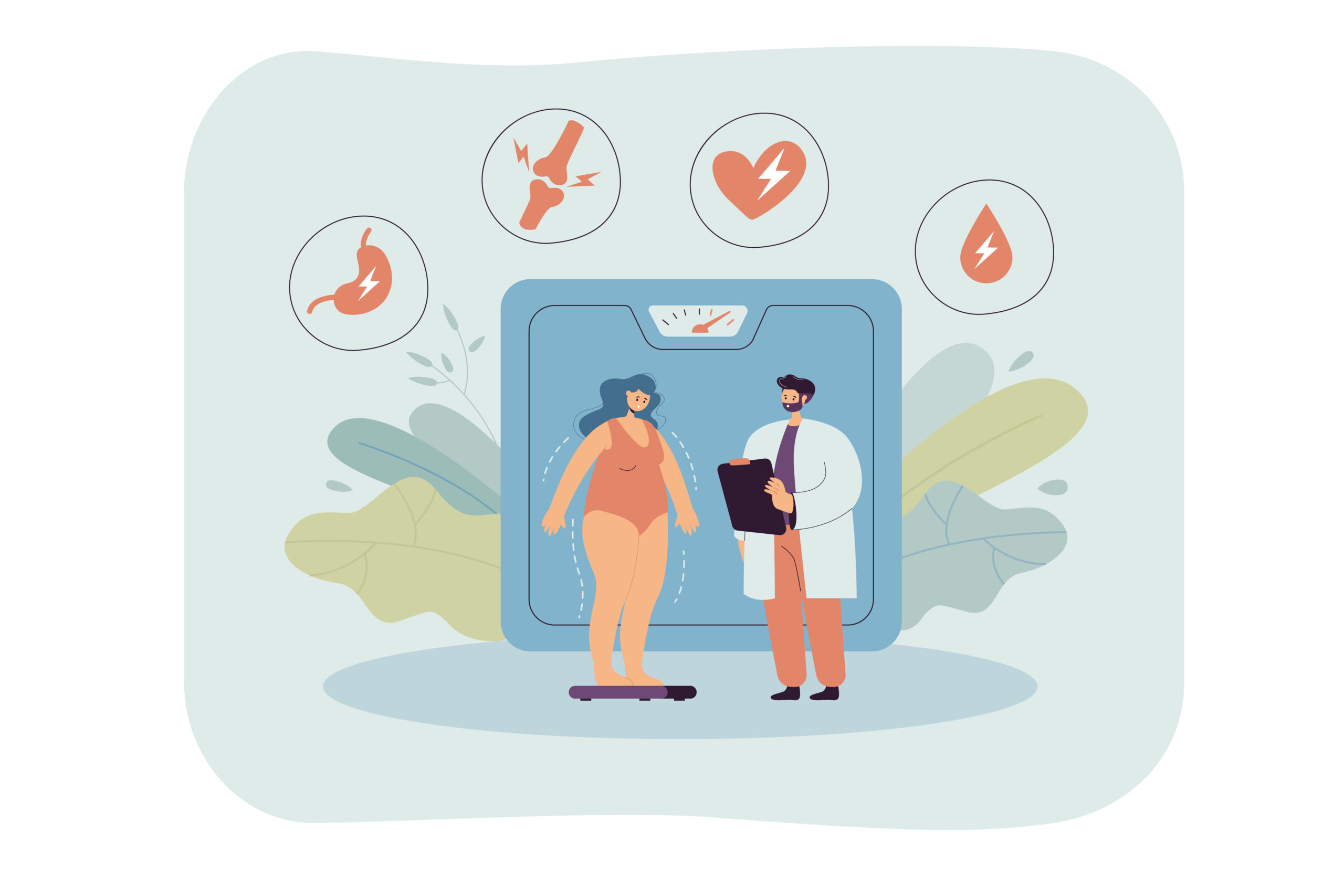
Rationally determine the pros and cons of Sleeve Gastrectomy vs. Gastric Bypass before making a final call.
Bariatric surgery, a surgical intervention where its two most common procedures like Sleeve Gastrectomy and Gastric Bypass lead to substantial weight loss, up to 40% and 60% respectively, as per WebMD. It reduces stomach size and appetite as it is designed to aid in weight loss for individuals struggling with severe obesity. These procedures involve altering the anatomy of the digestive system to restrict food intake, promote satiety, and in some cases, reduce nutrient absorption.
Sleeve Gastrectomy vs. Roux-en-Y Gastric Bypass: Understanding the Differences
Sleeve Gastrectomy: This procedure involves removing a large portion of the stomach, leaving behind a smaller “sleeve” or tube-shaped stomach. By reducing the stomach’s capacity, Sleeve Gastrectomy limits the amount of food a person can consume, leading to weight loss.
Roux-en-Y Gastric Bypass: In this procedure, the surgeon creates a small pouch at the top of the stomach and connects it directly to the small intestine. This bypasses a portion of the stomach and small intestine, reducing both the stomach’s size and the amount of calories and nutrients absorbed by the body.
Factors to Consider when Choosing Sleeve Gastrectomy or Roux-en-Y Gastric Bypass
- Weight Loss Goals: Individuals with different weight loss goals may benefit from one procedure over the other.
- Health Conditions: Certain health conditions may make one procedure more suitable than the other. For example, Roux-en-Y Gastric Bypass is often preferred for individuals with severe diabetes.
- Surgical Risks: Each procedure carries its own set of risks, including infection, bleeding, and complications related to anaesthesia.
Risks and Lifelong Changes
Both Sleeve Gastrectomy and Roux-en-Y Gastric Bypass involve risks such as nutritional deficiencies, gastrointestinal issues, and the potential need for additional surgeries. Lifelong dietary and lifestyle changes are essential for maintaining weight loss and preventing complications. This includes adopting a balanced diet, regular exercise, and adherence to post-surgical guidelines provided by healthcare professionals.
Aspirations vs. Practical Outcomes
While individuals may have ideal aspirations for their weight loss journey, it’s important to understand the practical outcomes and limitations of each procedure. Factors such as individual metabolism, adherence to lifestyle changes, and potential complications can influence the results achieved.
In conclusion, Sleeve Gastrectomy and Roux-en-Y Gastric Bypass are two common bariatric surgery options that offer effective weight loss solutions for individuals with severe obesity. Choosing the right procedure involves careful consideration of factors such as weight loss goals, health conditions, and surgical risks. Lifelong dietary and lifestyle changes are crucial for long-term success, and understanding the difference between ideal aspirations and practical outcomes is essential for managing expectations post-surgery. Consulting with a qualified healthcare provider is paramount in making an informed decision tailored to individual needs and circumstances.
—————————————————————————————————————————————
Box Headline: Understand the Promising Results and Improved Lifestyle Post Bariatric Surgery
Box Content:
Ongoing Care: Life post Bariatric Surgery brings the promise of better health and enhanced well-being but its success requires continuous attention to health needs.
Diet & Nutritional Supplements: Adhering to recommended dietary plans is crucial for optimal outcomes where supplementing with essential nutrients supports overall health and prevents deficiencies.
Complications & Discomfort: It’s essential to be aware of potential complications and seek prompt medical attention.