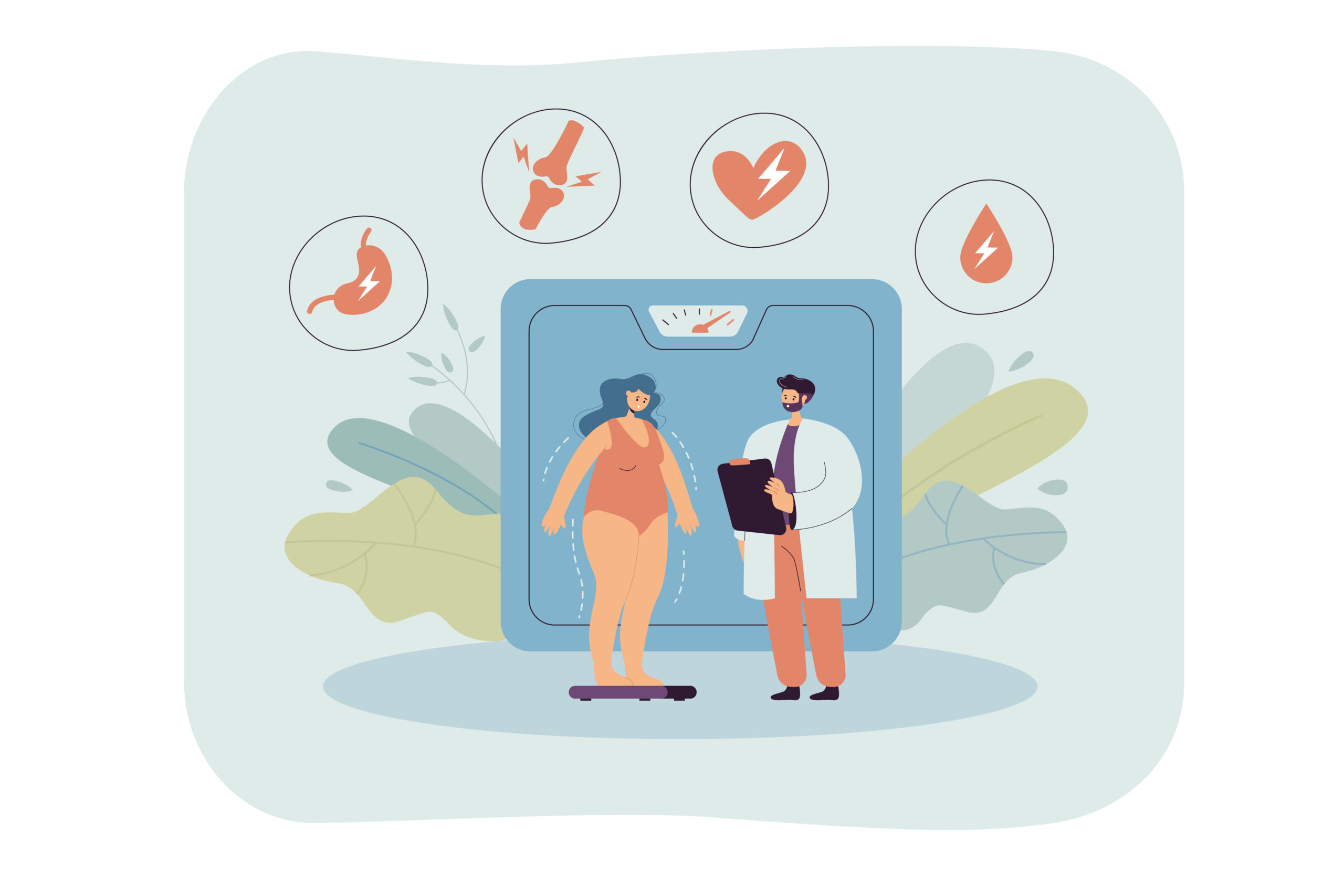
Though bariatric surgery can enhance overall health of obese women, it calls for careful planning and expert oversight to ensure a healthy pregnancy and delivery.
Pregnancy after bariatric surgery presents unique considerations and challenges for women on their journey to motherhood. As per the study by MJA, The Medical Journal of Australia, after undergoing bariatric surgery, it’s recommended to postpone pregnancy for at least 12–18 months to mitigate potential adverse pregnancy outcomes linked to rapid weight loss. While bariatric surgery can significantly improve overall health and increase fertility for women struggling with obesity, it also requires careful planning and management to ensure a healthy pregnancy and delivery.
Bariatric surgery can have a profound impact on pregnancy due to changes in weight, metabolism, and nutrient absorption. Women who have undergone bariatric surgery may experience improved fertility, reduced risk of pregnancy-related complications such as gestational diabetes and hypertension, and lower rates of caesarean section delivery. However, there are several important considerations to keep in mind when planning for pregnancy after bariatric surgery.
One of the primary considerations is the impact of bariatric surgery on health conditions during pregnancy. Women who have undergone bariatric surgery may be at risk for nutritional deficiencies, including deficiencies in vitamins and minerals such as iron, calcium, vitamin B12, and folate. Women need to work closely with their healthcare providers to monitor and address any nutritional deficiencies before and during pregnancy.
Nutrition is another crucial aspect to consider during pregnancy after bariatric surgery. Women may need to adjust their dietary intake to ensure they are meeting their nutritional needs and supporting the healthy development of the foetus. This may involve working with a registered dietitian to develop a balanced meal plan and possibly taking prenatal vitamins or supplements to fill in any nutritional gaps.
Weight management is also important during pregnancy after bariatric surgery. While weight loss during pregnancy is not recommended, women may need to monitor their weight gain closely and aim for appropriate weight gain based on their pre-pregnancy BMI and individual health needs. Regular prenatal visits with healthcare providers can help monitor weight gain and ensure the pregnancy is progressing as expected.
Pregnancy monitoring is essential to identify and address any potential complications early on. Women who have undergone bariatric surgery may be at increased risk for complications such as intrauterine growth restriction, preterm birth, and small for gestational-age infants. Regular prenatal visits, ultrasounds, and other diagnostic tests can help monitor the health and development of both the mother and the baby.
When it comes to delivery, women who have undergone bariatric surgery may have a lower risk of caesarean section delivery compared to women with obesity who have not undergone surgery. However, the mode of delivery should be determined based on individual health factors and pregnancy complications, with input from healthcare providers.
Finally, post-delivery follow-up is crucial for women who have undergone bariatric surgery. It is essential to monitor for any potential complications, including nutritional deficiencies, and continue to prioritise healthy lifestyle habits to support long-term health and well-being for both the mother and the baby.
In conclusion, pregnancy after bariatric surgery requires careful planning and management to ensure a healthy journey for both the mother and the baby. By addressing considerations related to health conditions, nutrition, weight management, pregnancy monitoring, delivery risks, mode of delivery, and post-delivery follow-up, women can navigate pregnancy after bariatric surgery successfully and achieve positive outcomes.
—————————————————————————————————————————————
Box Headline: Weight and Watch
Box Content:
Nutrition: Post-surgery, nutritional needs change significantly. Ensure a balanced intake of vitamins and minerals through supplements and a healthy diet to support both maternal health and fetal development.
Weight Management: Monitor weight gain carefully. Aim for a healthy, gradual weight gain as advised by your healthcare provider to avoid complications related to both obesity and malnutrition.
Pregnancy Monitoring: Regular prenatal check-ups are essential to monitor the health of both mother and baby. Close monitoring helps manage potential risks and ensures appropriate adjustments to dietary and health plans as needed.