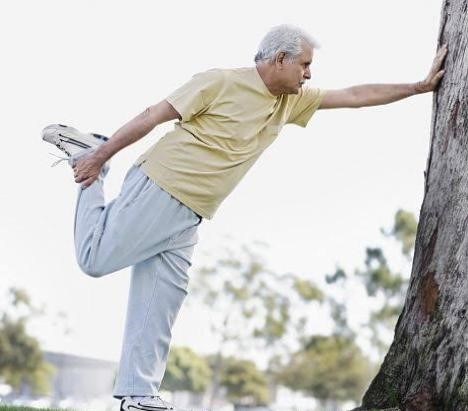
Engaging in physical activity in older age improves quality of life, and even minor increases in activity can have a positive effect, according to research.
New Delhi (THP)
Retirement often marks a phase where individuals tend to ease into a more leisurely lifestyle, bidding farewell to the hustle and bustle of work.
However, a 2023 study from the University of Cambridge, involving nearly 1,500 adults, suggests a contrary perspective. Staying active in older age is linked to a better quality of life. The research indicates that even slight increases in activity can have a notable positive impact.
Even a study by Harvard in 2021 notes that staying active becomes increasingly crucial for overall health. Published in the Proceedings of the National Academy of Sciences (PNAS), the study delves into evolutionary and biomedical evidence, indicating that humans, designed to live many decades beyond their reproductive years, evolved to remain relatively active in their later stages of life.
Lead author of the study, Harvard evolutionary biologist Daniel E. Lieberman, emphasises, “It is a widespread idea in Western societies that as we get older, it is normal to slow down, do less, and retire. Our message is the reverse: As we get older, it becomes even more important to stay physically active.”
Even in India, this trend is apparent, notes nutritionist and lifestyle expert Manjari Chandra, “We find the older generation spending more time on social media than on exercise.”
The Harvard research provides the first detailed evolutionary explanation for the increased disease risk and reduced longevity associated with the lack of physical activity as humans age.
The study suggests that physical activity in later years directs energy away from processes that compromise health and towards mechanisms that extend it. This evolutionary adaptation guards against chronic illnesses like cardiovascular disease, type 2 diabetes, and certain cancers.
The primary health benefit of physical activity, as identified by the research team, is extending the human health span – the years of life spent in good health. Physical activity allocates energy to repair and maintenance processes within the body, facilitating responses that repair damage at the molecular, cellular, and tissue levels. This includes the release of exercise-related antioxidants and anti-inflammatories, enhancement of blood flow, and reinforcement of muscle fibers and cartilage.
Physical activity levels have been decreasing globally with technological advancements, replacing human labour. Harvard’s previous study highlighted a decline in physical activity among Americans over the past 200 years.
“In India,” Chandra says, “We find the older generation spending more time on social media than on exercise.” Fitness expert Lalit Dalal adds, “In India too, the older generation tends to shift gears and move to a slower lane, inviting diseases.”
The researchers’ advice remains clear: break the sedentary routine, prioritise exercise, and even small amounts of physical activity, just 10 or 20 minutes a day, can help improve the quality of health.
(Source: The Health Presso)